Ratnapura Gem Mines: Inside Sri Lanka's City of Gems
By Sahan Kalpa Dayarathna · · 4 min read
- Province
- Sabaragamuwa Province, Ratnapura District
- Name
- Ratnapura means 'city of gems'
- Known for
- Sapphires, rubies, cat's eyes, moonstones, alexandrite
- Best months
- January to March, the driest and most comfortable
- Distance
- About 2.5 hours from Colombo by road
- Time needed
- A half day for mines and workshops
Ratnapura's name means "city of gems", and the surrounding river gravels have produced sapphires, rubies, cat's eyes, moonstones and alexandrites for centuries. The town is the centre of Sri Lanka's gem trade, a workaday place of workshops, dealers and small mines rather than a polished tourist attraction.
For visitors, it offers a rare look at an industry that has shaped the region's economy and folklore — and a useful lesson in how easily a beautiful stone can separate a traveller from their money.
How the mines work
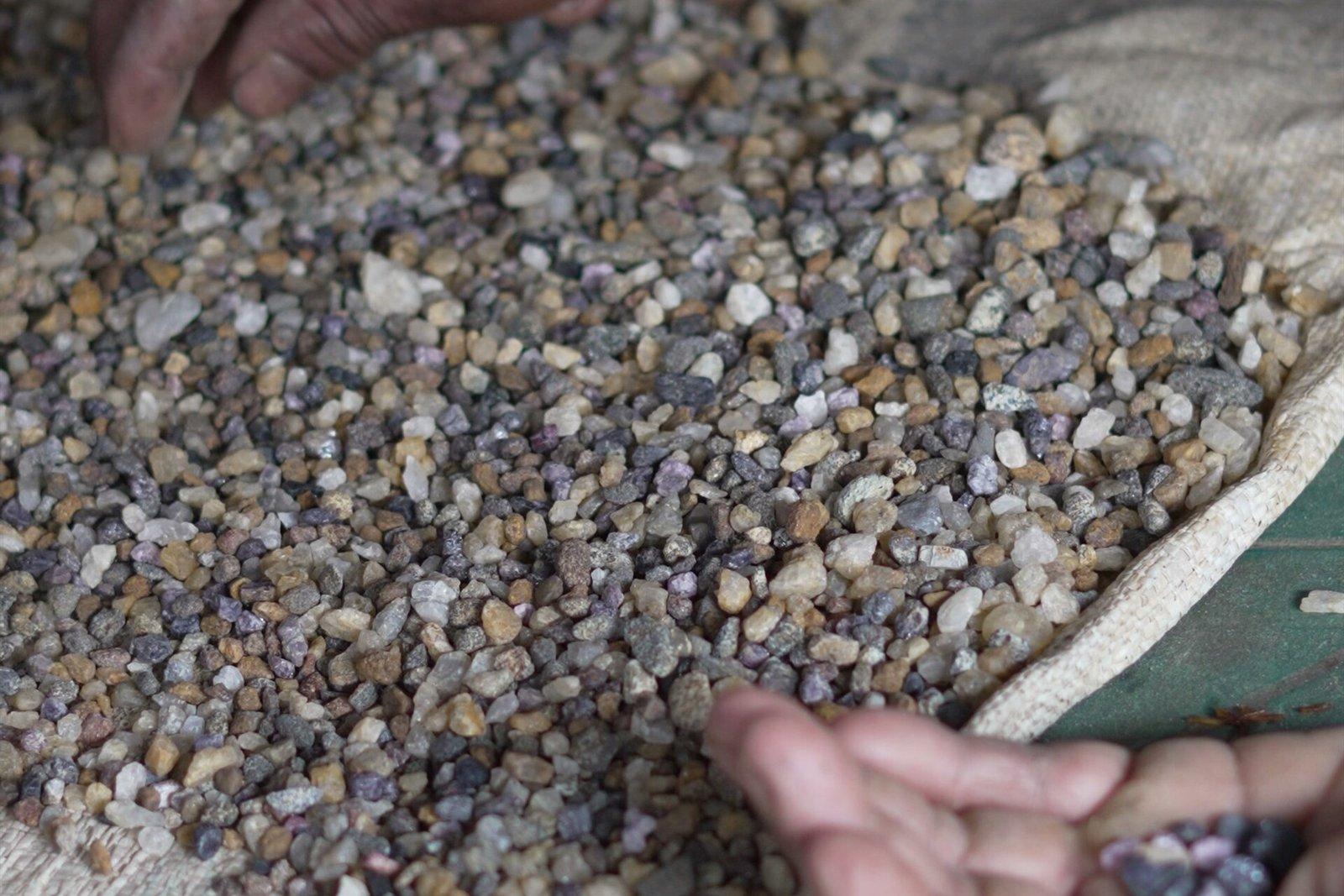
Most gem mining around Ratnapura is small-scale and manual. Workers sink a shaft through the paddy fields to reach the gravel layer, then haul the sandy ore up in baskets. The gravel is washed and panned in the river or in a nearby pit, and the concentrate is sorted by hand.
Conditions are basic and sometimes cramped, and the work is hard. The pits are often family operations, and the men who dig them are not paid a salary so much as a share of whatever is found.
Go with a reputable local guide, ask before photographing workers and remember that this is a livelihood, not a theme park. Do not climb into a shaft, and do not stand at the edge of an unshored pit.
- Shaft mining: hand-dug pits in the paddy fields
- Washing and panning: gravel separated from river sediment
- Sorting: the concentrate is picked over by hand
- Cutting and polishing: workshops in town
Buying a gem without being taken for a ride
If you plan to buy, stick to established dealers and ask for a certificate from a recognised laboratory. Prices are negotiable, quality varies enormously and the pressure can be intense.
Ask for the stone's origin, treatment and certification, and be prepared to walk away if the seller pressures you. Heat treatment is normal and not dishonest, but it must be disclosed. A reputable dealer will let you examine the stone in natural light.
Treat the purchase as a serious decision, not a souvenir impulse. If you do not know what you are looking at, buy nothing expensive. A small, cheap stone from a workshop is a better memento than an uncertified 'bargain'.
The museum and the town
Ratnapura's gem museum gives context that the mines alone cannot: the geology of the gravels, the history of the trade and examples of the stones found in the region. It is small and old-fashioned, and worth an hour.
The town itself is a busy provincial capital with a market, a river and a handful of colonial buildings. It is not a destination in its own right, but it is a useful base and a real place rather than a tourist construct.
The river running through town is where much of the washing happens, and you can often see workers at the water's edge in the late afternoon.
When to go and what to combine
The driest months, January to March, are the most comfortable for visiting, though mines operate year-round. The monsoon makes the pits muddy and the roads slower.
Ratnapura is about two and a half hours from Colombo by road and makes a good base for Adam's Peak and Sinharaja. The Adam's Peak season overlaps with the dry months, which makes a loop of gem country and the highlands practical.
A half-day tour is enough to understand the process; give yourself longer if you are genuinely interested in gemmology. It is one of the Sabaragamuwa Province's most distinctive experiences.
An honest caveat
Gem tourism has a reputation for scams, and some of it is deserved. 'Government-approved' shops are not a thing in the way touts claim, and commissions drive a lot of the recommendations you will receive.
The mines themselves are genuine, and seeing them is worthwhile. The hard sell usually starts afterwards, in the showroom. Decide your budget before you go in, and do not buy under time pressure.
If you only want to understand the industry, skip the showroom and spend the money on a good guide instead. That is the better value.
Frequently asked questions
- Can you visit gem mines in Ratnapura?
- Yes, through a local guide or a tour arranged by your hotel. You will usually see a working shaft mine, a panning site and a cutting workshop.
- Is it safe to buy gems in Ratnapura?
- It can be, but only with care. Use established dealers, insist on certification from a recognised laboratory, and walk away from pressure. Decide your budget before you enter a showroom.
- How far is Ratnapura from Colombo?
- About two and a half hours by road. It is also a useful base for Adam's Peak and Sinharaja.
- What gems is Sri Lanka known for?
- Sapphires, especially the blue and padparadscha varieties, along with rubies, cat's eyes, moonstones, spinels and alexandrite.
Written by
Sahan Kalpa DayarathnaSahan Kalpa Dayarathna is the editor of Discover Sri Lanka, based in Colombo. He writes the province guides, hotel picks and practical travel advice on this site, and updates them as transport, prices and opening times change.
Story filed 29 June 2026 about Ratnapura Gem Mines. Explore more in Sabaragamuwa Province.
More traveller stories
8 June 2026
Adam's Peak: Climbing Sri Lanka's Sacred Mountain
The overnight pilgrimage to Sri Pada — what to pack, when to go and what happens at the summit.
15 June 2026
Sinharaja Forest Reserve: Sri Lanka's Last Great Rainforest
Endemic birds, giant trees and leech socks — a guide to walking the island's UNESCO rainforest.