The Essential Guide
Sri Lanka Travel Guide
Monsoon seasons, train tickets, safari timing and daily budgets — everything we wish we had known before our first trip around the island.
Updated October 2026 · 12 min read
Best time to visit Sri Lanka
Sri Lanka is small, but the island runs on two monsoons. The south-west coast — Colombo, Galle, Mirissa and Hikkaduwa — is driest from December to April. The east coast — Trincomalee, Pasikudah and Arugam Bay — has its season from May to September. That means there is always a sunny stretch of beach somewhere.
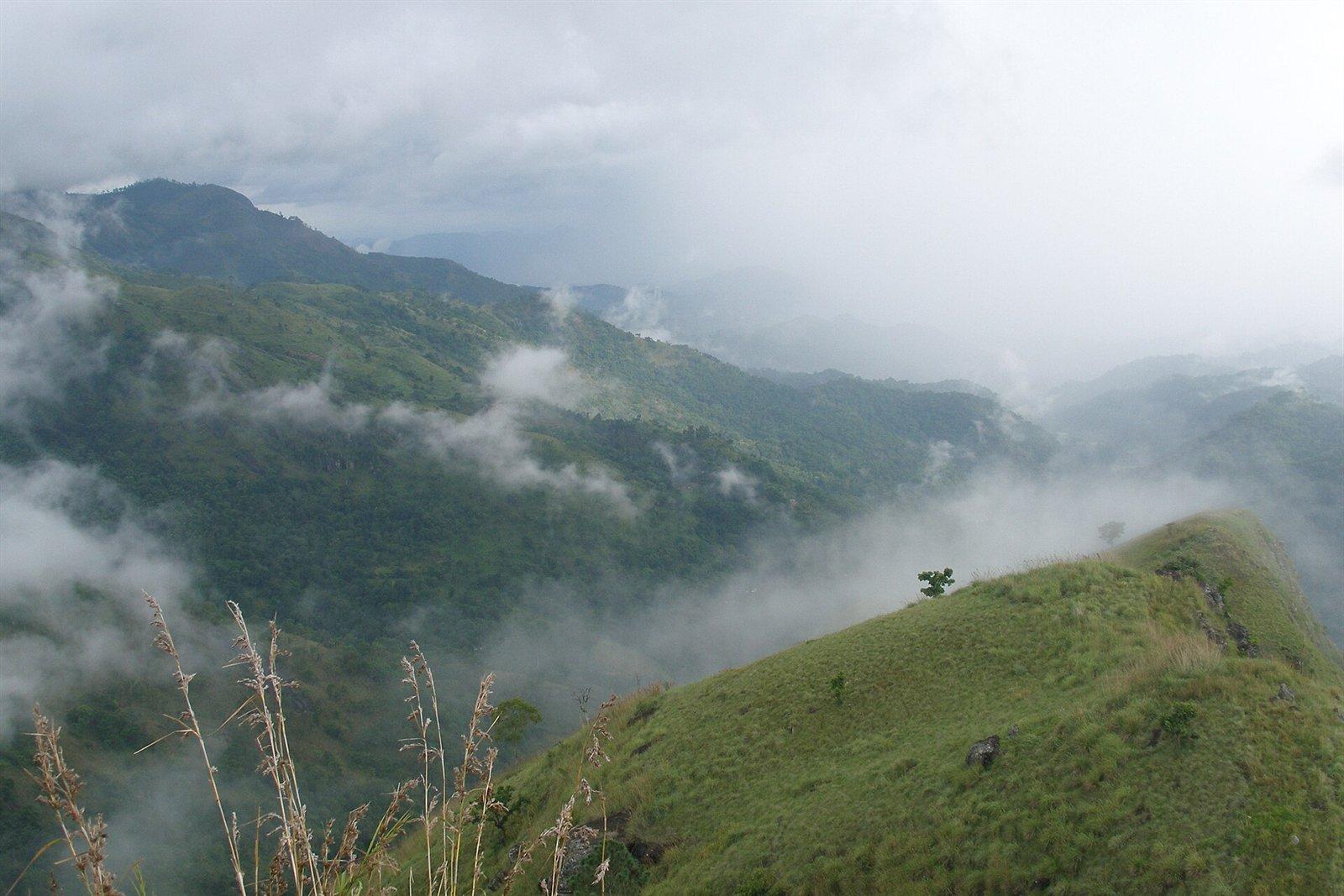
The cultural triangle around Sigiriya, Anuradhapura and Polonnaruwa is hot and dry for much of the year, while the hill country around Kandy, Nuwara Eliya and Ella stays cool and can be misty at any time. Pack a rain layer whatever the season.
| Region | Best months | Watch out for |
|---|---|---|
| South & west coast | December – April | Peak-season rates around New Year |
| East coast | May – September | Many hotels close in the off-season |
| Hill country | January – March | Cool nights and afternoon rain |
| Cultural triangle | May – September | Midday heat — start early |
A classic 10-day Sri Lanka itinerary
This loop balances culture, wildlife and beach without spending whole days in the car. Add two or three nights if you want to slow down, or cut the safari for more coast time.
- Days 1–2
1. Colombo & Negombo
Ease in beside the ocean in Negombo, then explore Colombo's markets, Gangaramaya Temple and the Galle Face sunset. Jet lag friendly and close to the airport.
- Days 3–4
2. Cultural Triangle
Climb Sigiriya at sunrise, wander the ruins of Polonnaruwa by bicycle and watch elephants gather at Minneriya or Kaudulla in the late afternoon.
- Days 5–6
3. Kandy & the hill country
Visit the Temple of the Tooth, then take the train to Ella through tea estates, waterfalls and the Nine Arch Bridge. Sleep cool in Nuwara Eliya or Ella.
- Days 7–8
4. Yala or Udawalawe safari
Drop down to the dry zone for leopards, elephants and birds. Two nights gives you a dawn and dusk game drive without rushing.
- Days 9–10
5. South coast
Finish on the sand in Mirissa, Unawatuna or Hiriketiya. Surf, whale watching (November to April) and a slow afternoon inside Galle Fort.
Getting around Sri Lanka
Trains are the romantic option. The Kandy–Ella line is the headline act, but the coastal line from Colombo to Galle is equally scenic and far less crowded. Book reserved seats as early as possible, or turn up for second class and stand by the open door.
Private drivers are the most efficient way to cover distance. Expect roughly $50–80 per day for a car and English-speaking driver, fuel included. Agree the itinerary and any overnight allowance in advance.
Tuk-tuks are perfect for short hops. Use metered apps where available or agree the fare before you set off. Buses are cheap and frequent but slow; domestic flights from Colombo to Jaffna or Trincomalee can save a long day on the road.
What does a Sri Lanka trip cost?
Budget
$40–70
per person / day
Guesthouses, local food, buses and trains
Mid-range
$100–180
per person / day
Boutique hotels, private driver, mixed dining
Luxury
$250+
per person / day
Resorts, safari camps, private guides
Indicative 2026 costs in US dollars. Prices rise around December, New Year, April (Sinhala and Tamil New Year) and major festivals.
Where to stay
Sri Lanka rewards mixing it up: a city hotel in Colombo, a heritage villa inside Galle Fort, a tea-planter bungalow in the hills and an eco-camp on the edge of a national park. Our hotel directory is filterable by province, with honest notes on what each stay is best for.
Food & drink
Rice and curry is the backbone — a dozen small dishes of dhal, coconut sambol, jackfruit, beetroot and fish. Try hoppers for breakfast, kottu roti at night and buffalo curd with treacle for dessert. Vegetarians are well looked after, and the tea is genuinely world-class.
Stick to bottled or filtered water, be cautious with ice in small roadside stalls, and give your stomach a day to adjust to the spice. Alcohol is widely available in tourist areas but not sold on full-moon (Poya) days.
Culture & etiquette
Sri Lanka is conservative in small towns and relaxed on the coast. Cover shoulders and knees at temples, remove shoes and hats before entering, and never pose with your back to a Buddha image. Use your right hand to give and receive, and ask before photographing people. Poya days are dry days and many businesses close.
Safety & health
Travel insurance is essential. Dengue is present, so use repellent, especially around dawn and dusk. The sun is fierce — reef-safe sunscreen, a hat and hydration are not optional. Check your government's current travel advice before booking, and keep a copy of your passport and insurance details offline.
Ready when you are
Find your stay, then build the route
Browse hand-picked hotels by province, or tell us your dates and we'll point you in the right direction.
Travel essentials
Quick answers before you go
Small details that make a big difference on the ground.
Is tap water safe to drink in Sri Lanka?
It is not recommended to drink tap water. Bottled water is cheap and widely available, and most hotels provide filtered water. Bring a reusable bottle and refill where you can.
What language is spoken in Sri Lanka?
Sinhala and Tamil are the official languages, and English is widely spoken in hotels, restaurants and tourist areas. Learning a few words — ayubowan (hello) and istuti (thank you) — goes a long way.
Do I need travel insurance for Sri Lanka?
Travel insurance is strongly recommended. It should cover medical care, adventure activities such as surfing and hiking, trip interruption and lost luggage. Check that any safari or water-based activity is included.
What is the dress code for temples?
Shoulders and knees should be covered, and shoes and hats removed before entering. White clothing is traditional at many temples. A light scarf in your day bag makes impromptu visits easy.