Adam's Peak: Climbing Sri Lanka's Sacred Mountain
By Sahan Kalpa Dayarathna · · 4 min read
- Province
- Sabaragamuwa Province, Ratnapura District
- Height
- 2,243 m above sea level
- Sinhala name
- Sri Pada, meaning sacred footprint
- Main trail
- Dalhousie (Nallathanniya), about 5,500 steps
- Season
- Roughly December to May; January–March is busiest
- Time
- Three to five hours up, two to three hours down
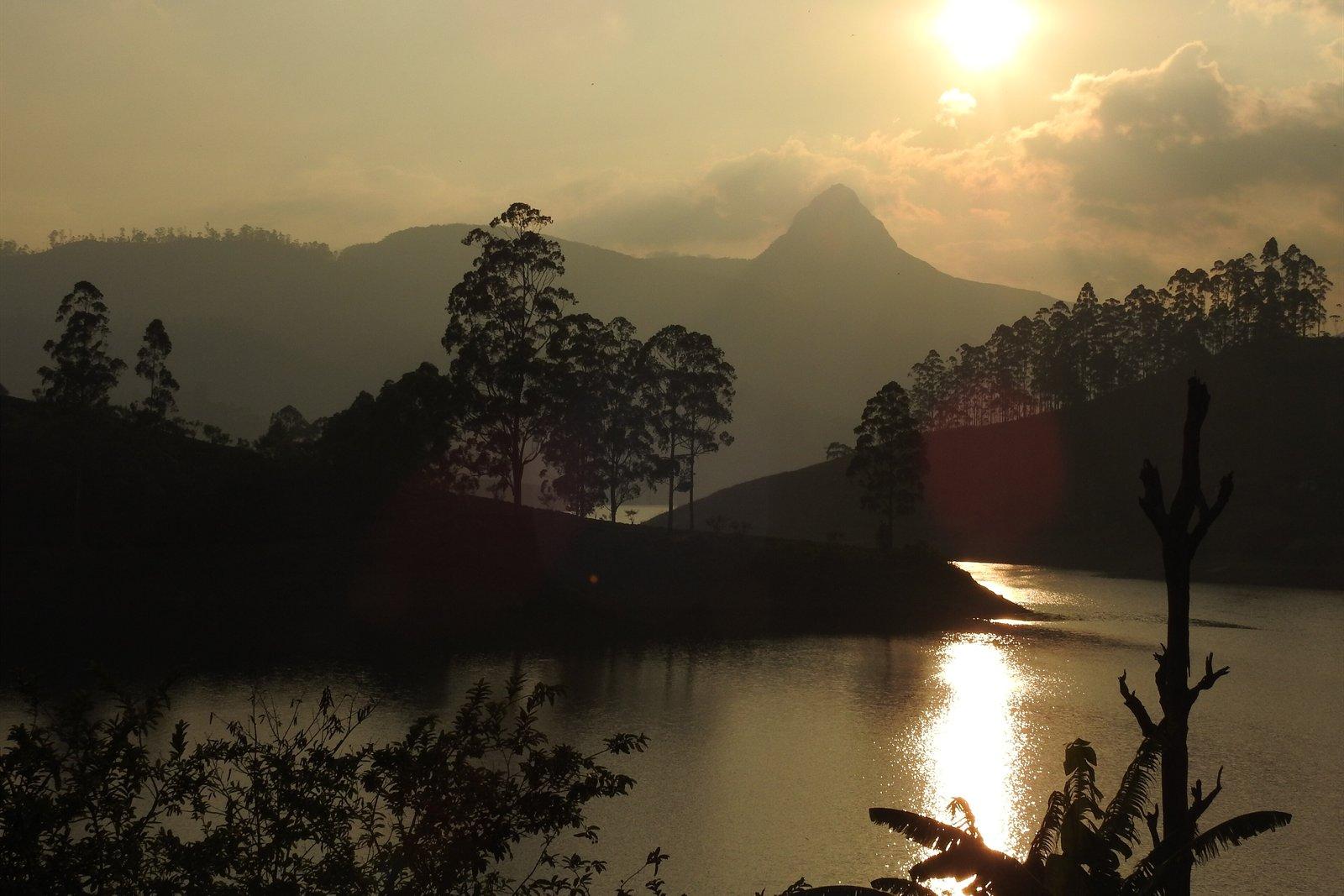
Adam's Peak, or Sri Pada, is a 2,243-metre mountain in the Sabaragamuwa highlands that is sacred to four faiths. Buddhists call the footprint at the summit the Buddha's; Hindus identify it with Shiva; Muslims with Adam; and Christians with St Thomas. The result is a pilgrimage that feels larger than any single tradition, with families, monks and travellers climbing together through the night.
It is also a genuinely hard walk. The classic route from Dalhousie climbs roughly 5,500 steps, and the last section is steep enough that the people around you will be stopping every twenty steps. The reward is a sunrise that has been described to death and still deserves it.
The routes, and which one to choose
The main route starts at Dalhousie (Nallathanniya) and is the shortest, busiest and best-lit trail. It is where the tea stalls, the shrines and the crowds are. Most people climb at night and are back down by mid-morning.
The Ratnapura route is longer and quieter, starting from Palabaddala and taking seven to nine hours. It passes through villages and forest and is the traditional pilgrimage path, but the facilities are thinner and the trail is rougher. It suits experienced walkers with a full day.
There is also a route from Kuruwita (Erathna), which is popular with local pilgrims and rarely used by foreign visitors. Whichever you choose, the descent is harder on the knees than the climb is on the lungs.
- Dalhousie/Nallathanniya: shortest, busiest, best facilities, 3–5 hours up
- Palabaddala/Ratnapura: longer, quieter, traditional, 7–9 hours up
- Erathna/Kuruwita: local favourite, rough trail, few facilities
The overnight climb, hour by hour
Most people leave Dalhousie around 2am, which puts them at the summit before the first light. Leaving earlier means sitting in the cold for hours; leaving later means missing the sunrise and joining a queue of people walking up in daylight.
The first section is a gentle climb past tea stalls and the last houses. The middle section steepens into a long staircase through forest, with rest stops every few hundred metres. The final stretch is the steepest, and above the treeline the wind picks up.
At the summit there is a small shrine, a bell that pilgrims ring once for each visit, and a terrace where everyone waits for the sun. The mountain's shadow stretches across the clouds to the west, a triangular silhouette that appears for a few minutes after sunrise. Then the cloud rises and it is gone.
What to pack, and what to leave behind
Take layers: it is humid at the bottom, cold at the top, and the wind at the summit is serious. A light fleece, a waterproof shell, a hat and gloves are not overkill. A headlamp is essential; phone torches are not bright enough for stairs.
Carry water and snacks, but not too much — there are tea stalls along the Dalhousie route selling hot tea, noodles and boiled eggs. Cash in small notes is useful. Wear shoes with grip; the steps are uneven and slick with mist.
Leave behind anything you do not want to carry up. There is no luggage storage at the trailhead worth relying on, so arrange it with your guesthouse. Trekking poles help enormously on the descent.
- Headlamp with fresh batteries
- Fleece, waterproof shell, hat and gloves
- Shoes with grip, not sandals
- Water, snacks and small notes for tea stalls
- Trekking poles for the descent
Etiquette on a working pilgrimage
This is not a hike with a view; it is an active pilgrimage. Dress modestly, keep noise down near the shrines, and do not smoke. Shoes come off at the summit shrine area, and photography should not involve standing in front of people who are praying.
The one-way flow of walkers matters. Keep to the left going up, let faster walkers pass, and do not stop in the middle of the steps to take a photo. Offer to help someone carrying an offering if it seems appropriate, but do not treat pilgrims as part of the scenery.
Many Sri Lankans climb for a specific intention — a sick relative, an exam, a vow. That is worth remembering when the trail is crowded and your legs hurt.
Getting there and what to do afterwards
Dalhousie is about four hours from Colombo and two from Kandy by road, and most people stay overnight near the trailhead before climbing. Guesthouses are basic but cheap. During the season, book ahead, especially at weekends and around Poya days.
After the descent, most people sleep. Ratnapura, about two hours away, is the gateway to Sinharaja and the gem country. Kitulgala, on the way back to Colombo, offers white-water rafting and river swimming. Both make a sensible next stop.
The season runs roughly December to May, with January to March the busiest and clearest. Outside the season the trail is quieter but facilities are limited and the weather can be genuinely dangerous. Do not climb in the off-season without checking conditions and telling someone your plans.
Frequently asked questions
- How hard is climbing Adam's Peak?
- It is a long, steep staircase rather than a technical climb. Most reasonably fit people take three to five hours up. The altitude and the 5,500 steps make it harder than the distance suggests.
- What is the best time to climb Adam's Peak?
- December to May, with January to March offering the clearest weather and the most facilities. Climb overnight to reach the summit for sunrise.
- Can you climb Adam's Peak without a guide?
- Yes. The Dalhousie route is well marked and busy during the season, and a guide is not required. A guide is more useful on the longer Ratnapura or Erathna routes.
- What should I wear to Adam's Peak?
- Layers, a waterproof shell, a hat and gloves, plus shoes with good grip. It is warm at the trailhead and close to freezing at the summit before dawn.
Written by
Sahan Kalpa DayarathnaSahan Kalpa Dayarathna is the editor of Discover Sri Lanka, based in Colombo. He writes the province guides, hotel picks and practical travel advice on this site, and updates them as transport, prices and opening times change.
Story filed 8 June 2026 about Adam's Peak. Explore more in Sabaragamuwa Province.
More traveller stories
15 June 2026
Sinharaja Forest Reserve: Sri Lanka's Last Great Rainforest
Endemic birds, giant trees and leech socks — a guide to walking the island's UNESCO rainforest.
22 June 2026
Udawalawe National Park: Elephants, Tanks and an Easy Safari
One of the most reliable places to see wild elephants in Sri Lanka, with open plains and a short drive from the south coast.