Nuwara Eliya Tea Country: A Guide to Sri Lanka's Hill Station
By Sahan Kalpa Dayarathna · · 5 min read
- Province
- Central Province, Nuwara Eliya District
- Altitude
- About 1,870 m above sea level
- Known for
- Ceylon tea, colonial bungalows and cool nights
- Nearest station
- Nanu Oya, about 8 km from town
- Driest months
- January to March, though rain falls all year
- Suggested stay
- Two nights, with one full day for the estates
Nuwara Eliya sits at about 1,870 metres in the central highlands, and the first thing you notice is the air: cool, damp and scented with eucalyptus and tea. The British developed the town in the nineteenth century as a hill-station escape from the coastal heat, and it still wears that inheritance in its Tudor-style houses, its golf club and its slightly improbable rose gardens.
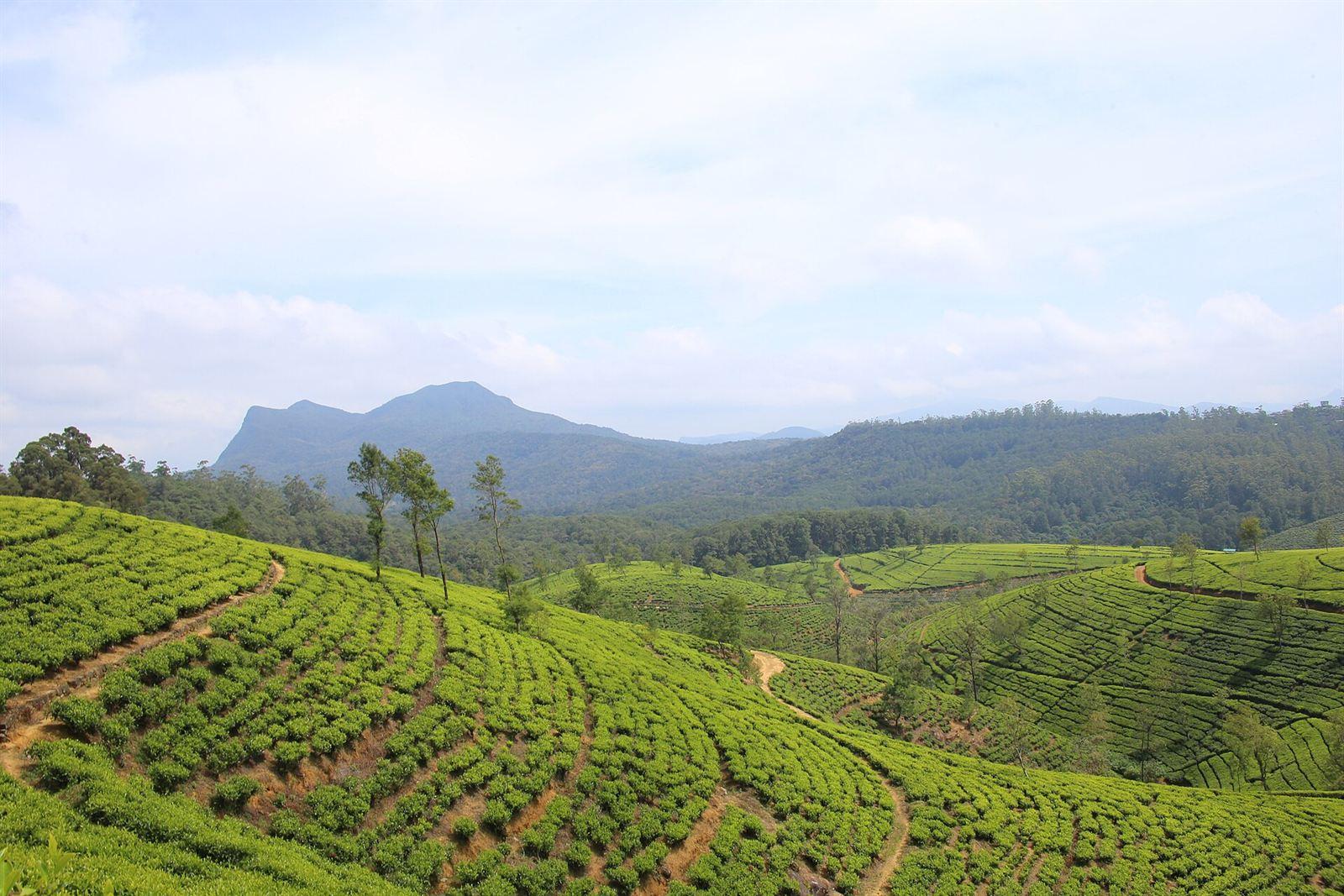
This is the heart of Ceylon tea. The slopes around town are covered in neat green contours of bushes, punctuated by factory buildings, estate bungalows and the occasional waterfall. You do not need to be a tea expert to enjoy it, but a proper factory visit turns a pretty landscape into something you understand.
How a tea factory visit actually works
Tea is plucked by hand, usually two leaves and a bud, and the pluckers move across the slopes in the cool of the morning. From there the leaf goes to the factory, where it is spread out to wither, rolled to break the cell walls, left to ferment, fired dry and finally graded by size. The whole process takes less than a day, which is why a factory visit is more interesting than it sounds.
Several estates near Nuwara Eliya welcome visitors, and the better visits are small and unhurried: a short walk through the factory, an explanation of each stage, and a tasting at the end. Ask your guesthouse which estate is currently taking visitors rather than accepting the first tour offered in town. Some of the bigger names run polished tourist operations; smaller factories can be more interesting but less predictable.
You will finish in a tasting room with a cup of tea that was, quite possibly, on a bush this morning. Buy a packet if you like it — the factory shop is usually cheaper than the airport, and the tea is fresher. Cash is useful.
- Withering: fresh leaf is spread on long troughs and dried with warm air
- Rolling: machines press and twist the leaf to release its oils
- Fermentation: the leaf turns copper as it oxidises
- Firing: hot air stops the process and dries the tea
- Grading: the dried tea is sorted by leaf size, not by quality alone
The town itself
Nuwara Eliya is not a beautiful town in the way Kandy or Galle is. It is a working hill station with a busy market, a lot of traffic and a slightly faded colonial core. Gregory Lake is the social centre, with a walking path, boats and food stalls, and Victoria Park is a quiet green space nearby.
The Grand Hotel and the Hill Club preserve the old colonial atmosphere, and the golf club claims to be one of the highest in Asia. None of it is essential, but a slow afternoon in town — tea, a walk around the lake, a look at the old post office — is part of the experience. Bring a warm layer; evenings are genuinely cold by Sri Lankan standards.
Walks, viewpoints and the estates around town
Pedro Tea Estate is the closest factory to town and easy to reach by tuk-tuk. Lover's Leap is a waterfall a short drive away, with a tea-estate path and a steep drop. Hakgala Botanical Garden, about ten kilometres south, is quieter than the town and good for a slow walk among the trees.
The best views come from the estate roads above town, where the land falls away towards the southern plains. A tuk-tuk driver can string together a factory, a viewpoint and a waterfall in half a day, but the real pleasure is walking a section of the tea trails on foot. Ask permission before wandering into a working estate, and stay on the paths.
If you have a full day, combine a morning factory visit with a drive to Horton Plains for the next morning's early walk. Nuwara Eliya is the natural base for that trip, which is why most travellers give it two nights rather than one.
Getting there and getting around
The train from Kandy to Nanu Oya is one of the island's great scenic journeys, winding through tea country for roughly three and a half to four hours. Nanu Oya is about eight kilometres from Nuwara Eliya, with tuk-tuks and buses meeting the trains. Book reserved seats if you can; unreserved carriages fill up quickly.
By road, the drive from Kandy takes around three hours, and from Ella around two. The road is winding and slow, so do not plan a tight schedule. Once in town, tuk-tuks are the easiest way to reach the estates, and many guesthouses will arrange a driver for a half-day circuit.
What to pack and when to go
January to March is the driest and brightest stretch, but the highlands can rain at any time of year. Pack a warm layer, a waterproof jacket and shoes that can handle mud. The temperature drops sharply after sunset, and many hotels do not have heating in the way you might expect.
Peak season brings crowds and higher prices, especially around April, when Sri Lankans travel for the New Year holidays. Outside those weeks, the town is quiet and the estates are easier to visit. Two nights is enough for the town and one factory; three gives you room for Horton Plains and a slow day.
Frequently asked questions
- Is Nuwara Eliya worth visiting?
- Yes, if you want tea country, cool air and a break from the coast. The town itself is not spectacular, but the estates, the train journey and the access to Horton Plains make it one of the highlands' best bases.
- How do you get to Nuwara Eliya?
- Most travellers arrive by train to Nanu Oya, about 8 km from town, then take a tuk-tuk or bus. By road it is roughly three hours from Kandy and two from Ella, on winding hill roads.
- Can you visit a tea factory without booking?
- Often yes, but it is safer to ask your guesthouse to call ahead. Some factories take visitors only at set times, and the best small ones are not set up for walk-ins.
- How cold does it get in Nuwara Eliya?
- Daytime temperatures are mild, but nights can drop to around 10°C or lower, and the damp makes it feel colder. Bring a fleece or jacket even if the rest of your trip is beach weather.
Written by
Sahan Kalpa DayarathnaSahan Kalpa Dayarathna is the editor of Discover Sri Lanka, based in Colombo. He writes the province guides, hotel picks and practical travel advice on this site, and updates them as transport, prices and opening times change.
Story filed 2 March 2026 about Nuwara Eliya Tea. Explore more in Central Province.
More traveller stories
16 February 2026
Sigiriya Rock Fortress: A Practical Guide to Climbing Lion Rock
Tickets, timing, the frescoes and the climb — what to expect at Sri Lanka's most famous rock fortress, plus the quieter view from Pidurangala.
23 February 2026
Temple of the Tooth: Inside Kandy's Sacred Relic Shrine
Sri Lanka's most important Buddhist temple, the three daily pujas and the rituals around a single tooth.