Whale Watching in Mirissa: Blue Whales, Early Boats and Rough Seas
By Sahan Kalpa Dayarathna · · 4 min read
- Province
- Southern Province, Matara District
- Season
- Roughly November to April; December–March is usually best
- Departure
- Around 6:30am from Mirissa fisheries harbour
- Duration
- Four to five hours, back by late morning
- What you may see
- Blue whales, sperm whales, spinner dolphins, flying fish
- Sea conditions
- Calm to genuinely rough — this is open ocean
Mirissa sits on a deep bay on the south coast, and the continental shelf drops away just offshore. That is the whole reason the whales are here: deep water close to land, rich with the krill and small fish that blue whales feed on. It is one of the few places in the world where you can reasonably expect to see the largest animal that has ever lived without a long expedition.
It is also a tourism operation, with dozens of boats, variable safety standards and a lot of early alarms. Going in with realistic expectations makes the difference between a memorable morning and a long, wet disappointment.
Why the whales are here
Blue whales migrate through these waters, and the season roughly coincides with the calmer months on the south coast. Sperm whales are also present, usually further out, and spinner dolphins are common enough that nobody treats them as a special sighting.
The shelf edge is only a few kilometres offshore, so the boats do not have to travel for hours to reach deep water. On a good day you are watching whales within an hour of leaving the harbour. On a bad day you motor around for four hours and see a lot of horizon.
Choosing a boat
Boats range from small fishing vessels with a few plastic chairs to larger, purpose-built tourist boats with two decks and life jackets. Price is not a reliable guide to quality, and the cheapest ticket is often the least comfortable and the most crowded.
Look for life jackets that are actually handed out, a briefing before departure, a limit on passenger numbers and a crew that does not promise a sighting. Responsible operators keep a distance from the animals, do not chase them and do not cut across their path. If a boat is racing other boats towards a whale, you are on the wrong one.
Ask at your guesthouse, read recent reviews and look at the boat itself before you pay. Booking a day ahead is usually enough outside peak season; around Christmas and New Year, book earlier.
- Life jackets issued, not just stacked in a locker
- A short briefing before departure
- No promise of a sighting in the sales pitch
- Boats that keep their distance and limit time with each animal
- Enough shade and seating for the number of passengers
What the morning is actually like
You will be asked to arrive at the harbour around 6am, in the dark, and the boat leaves around 6:30am. Take motion-sickness tablets at least half an hour before departure — not when you start feeling ill. Eat something plain and light. Avoid a heavy breakfast and avoid alcohol the night before.
Once out of the harbour, the boat often runs for forty minutes to an hour before the first sighting. Spray comes over the bow and the deck gets wet, so bring a waterproof layer and keep your phone in a dry bag. Hats blow off. Sunglasses help with the glare, and binoculars are useful but not essential.
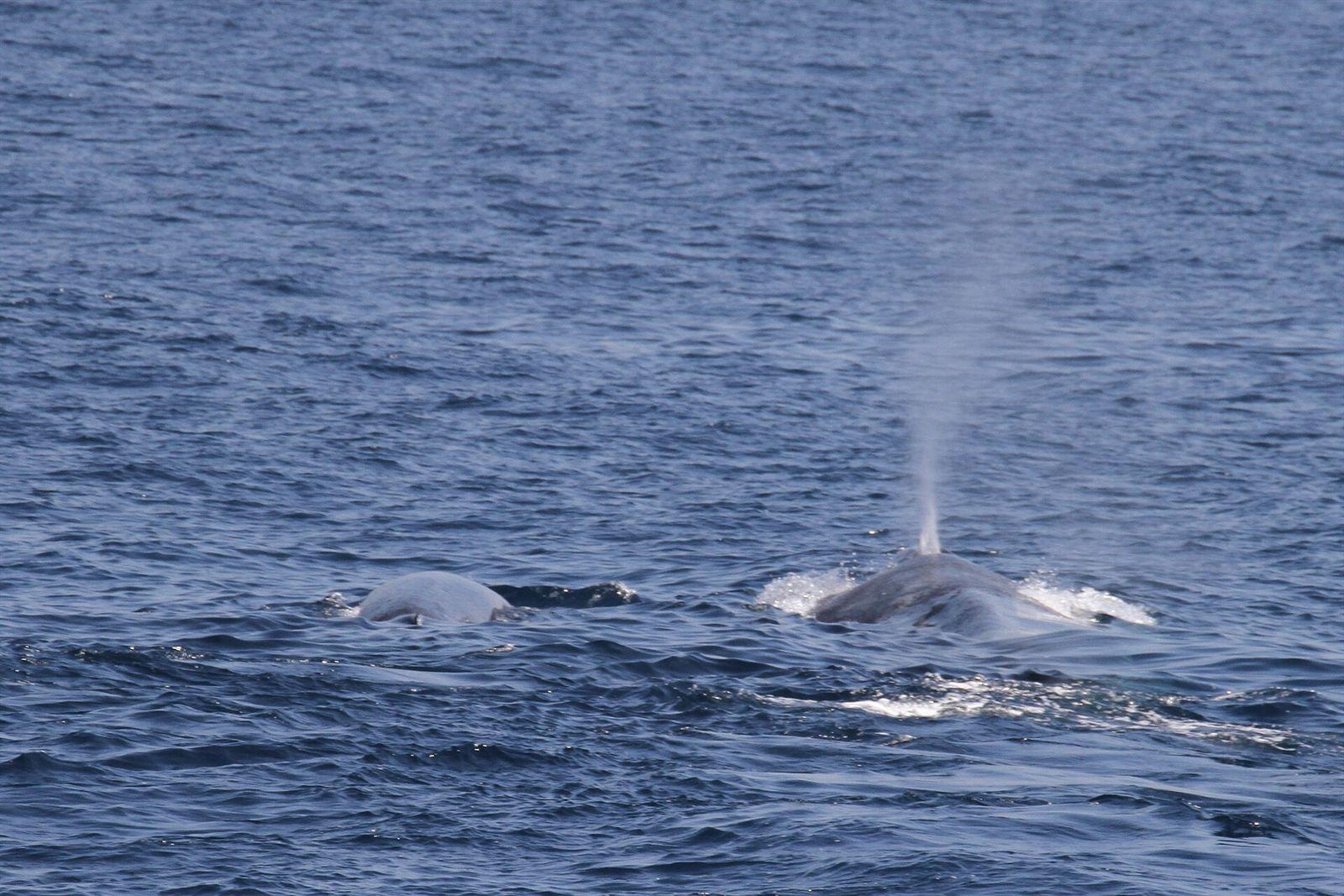
The first sign of a whale is usually a blow — a tall plume of spray — followed by a long dark back breaking the surface. Blue whales do not breach like humpbacks; they surface, breathe several times and dive, showing their tail flukes as they go. It is a quiet, enormous kind of encounter rather than a performance.
When the whales do not show
No operator can guarantee a sighting, and some mornings produce nothing but dolphins and a lot of spray. Good operators acknowledge this, and some offer a second trip at a reduced rate if you see nothing. Ask about that policy before you book.
Seasickness is the other common disappointment. If you are prone to it, choose a larger boat, sit near the middle, keep your eyes on the horizon and take medication early. It is entirely reasonable to decide that a rough-sea morning is not worth it — the harbour forecast is usually a decent guide.
After the boat: the rest of Mirissa
Back on land by late morning, Mirissa has a crescent beach, a strip of cafés and guesthouses, and Coconut Tree Hill, the palm-covered headland just north of the bay. The hill is a short walk and gets crowded at sunset, when everyone arrives for the same photograph.
Secret Beach is a smaller cove a tuk-tuk ride away, and Weligama, the next bay west, is the place for surf lessons. If you want to swim, the main beach is fine in season but can have a shore break; ask locally about conditions before you go in.
Give Mirissa two nights if you are doing the whale trip: one night before, so you are not travelling at 4am, and one after, so you can spend the day on the beach without watching the clock.
Frequently asked questions
- What is the best month for whale watching in Mirissa?
- December to March is usually the most reliable window, within a season that runs roughly November to April. Seas are calmer and sightings more consistent in those months.
- How much does whale watching in Mirissa cost?
- Prices vary by boat and season, typically in the region of US$25–40 per person for a shared trip. Larger, better-equipped boats charge more. Confirm what is included, especially life jackets and breakfast.
- Can you swim with the whales?
- No. Blue whales are protected, and swimming with them is not permitted in Sri Lankan waters. Boats are required to keep a respectful distance, and you should not expect to enter the water.
- Is whale watching in Mirissa suitable for children?
- Older children usually cope well on a calm day, but the sea can be rough and the trip is long. Choose a larger boat, take medication if needed, and be prepared to turn back if the conditions are poor.
Written by
Sahan Kalpa DayarathnaSahan Kalpa Dayarathna is the editor of Discover Sri Lanka, based in Colombo. He writes the province guides, hotel picks and practical travel advice on this site, and updates them as transport, prices and opening times change.
Story filed 23 March 2026 about Mirissa Whale Watching. Explore more in Southern Province.
More traveller stories
16 March 2026
Galle Fort: A Walking Guide to Sri Lanka's Walled City
Ramparts, lighthouse, boutique cafés and four centuries of colonial history inside a UNESCO old town that people still call home.
4 May 2026
Yala National Park: Leopards, Safaris and What to Actually Expect
How a Yala safari works, when the leopards are easiest to see, which block to choose and why the crowds matter.