Hikkaduwa Coral Reef: Snorkelling and Turtles on the West Coast
By Sahan Kalpa Dayarathna · · 4 min read
- Province
- Southern Province, Galle District
- Status
- Hikkaduwa National Park, a marine sanctuary since 1979
- Best season
- November to April, when the sea is calmest
- What you will see
- Green turtles, parrotfish, angelfish, reef sharks
- Getting there
- About 1.5–2 hours from Colombo by expressway
- Time needed
- One or two nights
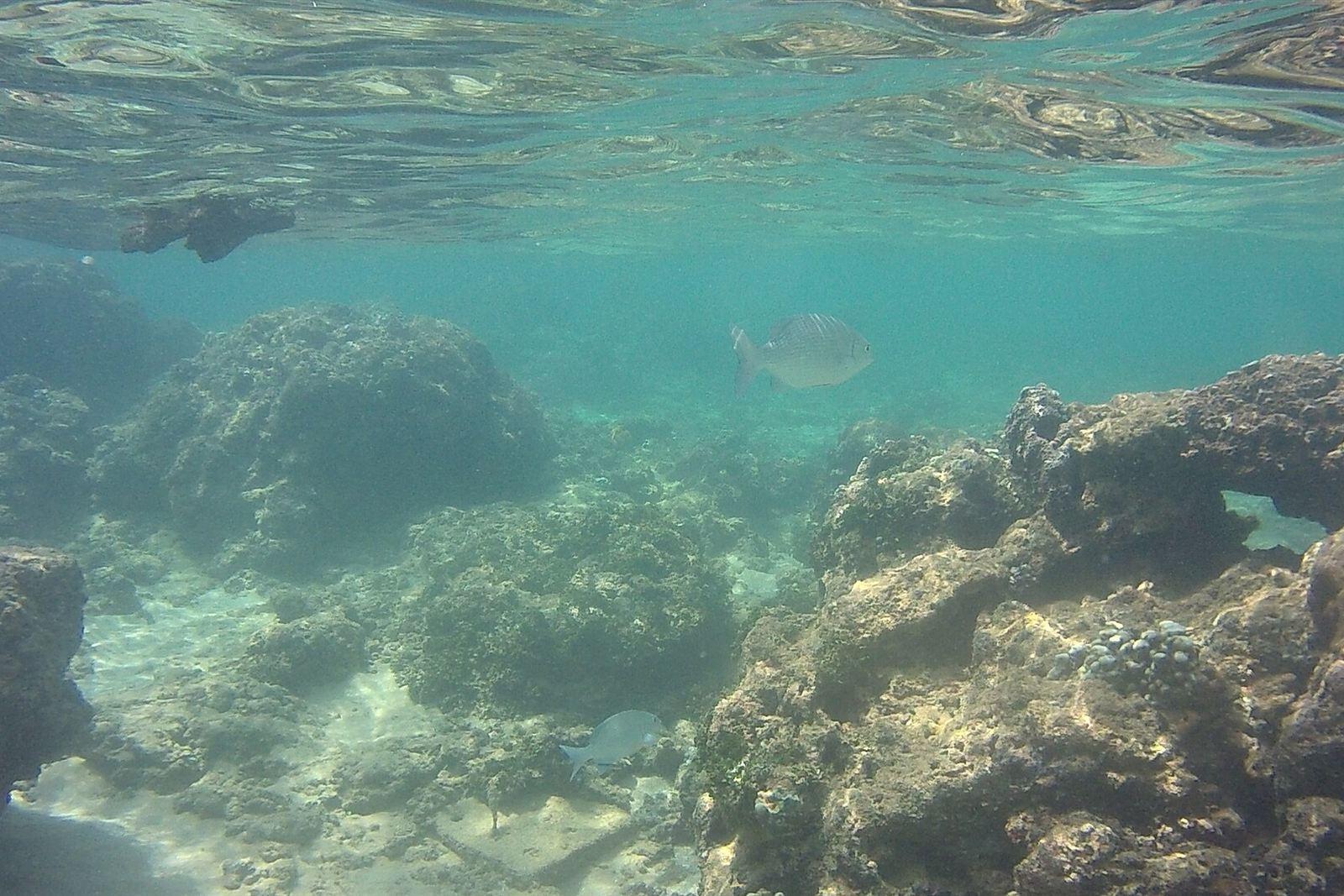
Hikkaduwa is one of the few places in Sri Lanka where you can swim out from the beach to a living coral reef. The reef lies just offshore in a protected marine sanctuary, and glass-bottom boats, snorkelling trips and dive schools all operate from the same stretch of sand. Green turtles graze on seagrass in the shallows, and the reef holds parrotfish, angelfish and the occasional small reef shark.
It is also a cautionary tale. Coral bleaching, pollution and decades of careless tourism have damaged parts of the reef, and every foot that stands on coral sets recovery back by years. Visiting well is not difficult, but it does require choosing your operator carefully and accepting that the reef is not the aquarium the brochures imply.
How the reef actually works
The reef is a fringing reef: it grows out from the shore in shallow water, separated from the beach by a sandy lagoon. That is why you can wade in and snorkel within minutes, and why so much of the coral is within arm's reach — and therefore within trampling distance.
The sanctuary protects a stretch of about a kilometre. Inside it, collecting coral, feeding fish and anchoring are prohibited. Outside it, the rules are looser and the reef is in worse condition. The difference is visible from the surface, which is a fairly effective lesson in marine protection.
Snorkelling without wrecking the place
Wear a rash vest or long-sleeved top rather than relying on sunscreen, and use reef-safe products if you use any. Do not stand on the reef to adjust your mask — float, or find sand. Keep horizontal, keep your fins up, and give yourself room so you do not kick the coral behind you.
Do not feed fish and do not touch turtles. Both change behaviour: fed fish become aggressive and turtles that are handled lose their fear of people and get hit by boats. If a boat operator offers to let you hold a turtle, that is the signal to find another operator.
A guided snorkel with a responsible local outfit is worth more than a cheap glass-bottom ride. A good guide will show you what you are looking at, keep the group off the coral and explain why the reef looks the way it does.
- Choose operators who use moorings, not anchors
- Refuse any tour that feeds fish or handles turtles
- Float, never stand, when adjusting your gear
- Avoid single-use sunscreen; cover up instead
Diving and surfing
Several dive schools run introductory dives and certification courses from the beach. The dive sites are shallow and undemanding, which makes Hikkaduwa a reasonable place to learn, though serious divers usually head further south or to the east coast.
The town also has a genuine surf culture, with a reef break off the point and lessons available for beginners. It is not Arugam Bay, but it is a friendly place to stand on a board for the first time. Mornings are usually cleaner and less crowded.
The town, the tsunami museum and Seenigama
Hikkaduwa is a long strip of guesthouses, beach bars and surf shops, with a livelier backpacker feel than the bays further south. The beach road is busy and the railway runs right along the coast, which is charming until you are trying to sleep beside it.
The Tsunami Museum, run by a local community organisation, is small and sobering. It documents the 2004 disaster and the recovery, and the money goes to local education projects. It is a worthwhile hour.
Just offshore at Seenigama, a small temple sits on an islet reached by a footbridge. It is an unusual sight and a quiet place to watch the water. Combine it with a stop at the nearby Buddhist shrine rather than treating it as a photo opportunity.
Getting there and when to go
Hikkaduwa is about an hour and a half to two hours from Colombo by expressway, or a scenic three-hour train ride on the coastal line. It is the easiest reef to reach from the capital, which is exactly why it is busy.
November to April is the calmest, clearest season, with the best visibility for snorkelling. Mornings are quieter on the water and better for light. The shoulder months can be rough and murky, and the monsoon brings debris onto the beach.
Stay one or two nights, snorkel early, and spend the afternoon on the beach or learning to surf. It works well as a first stop when travelling south from Colombo, before Galle and the quieter bays beyond.
Frequently asked questions
- Is Hikkaduwa reef still worth visiting?
- Yes, with adjusted expectations. Parts of the reef are damaged, but there is still live coral, plenty of fish and reliable turtle sightings. The sanctuary section is in better condition than the rest.
- When is the best time to snorkel in Hikkaduwa?
- November to April, when the south-west coast is calm and visibility is best. Early morning is usually the clearest and least crowded time of day.
- Can you see turtles at Hikkaduwa?
- Yes, green turtles graze on seagrass in the shallows and are commonly seen. Keep your distance, do not touch them and never feed them.
- Is Hikkaduwa good for beginner surfers?
- Reasonably so. There are several schools and a mix of reef and beach breaks. Lessons are easy to arrange, and mornings are the least crowded.
Written by
Sahan Kalpa DayarathnaSahan Kalpa Dayarathna is the editor of Discover Sri Lanka, based in Colombo. He writes the province guides, hotel picks and practical travel advice on this site, and updates them as transport, prices and opening times change.
Story filed 6 April 2026 about Hikkaduwa Coral Reef. Explore more in Southern Province.
More traveller stories
16 March 2026
Galle Fort: A Walking Guide to Sri Lanka's Walled City
Ramparts, lighthouse, boutique cafés and four centuries of colonial history inside a UNESCO old town that people still call home.
4 May 2026
Yala National Park: Leopards, Safaris and What to Actually Expect
How a Yala safari works, when the leopards are easiest to see, which block to choose and why the crowds matter.