Delft Island: Wild Horses and Coral Walls in the Far North
By Sahan Kalpa Dayarathna · · 4 min read
- Province
- Northern Province, Jaffna District
- Local name
- Neduntheevu
- Ferry
- From Kurikadduwan jetty; roughly an hour each way
- Known for
- Feral horses, Dutch fort, coral-stone walls, baobab tree
- Facilities
- Very limited — bring water, food, cash and sun protection
- Time needed
- A full day from Jaffna
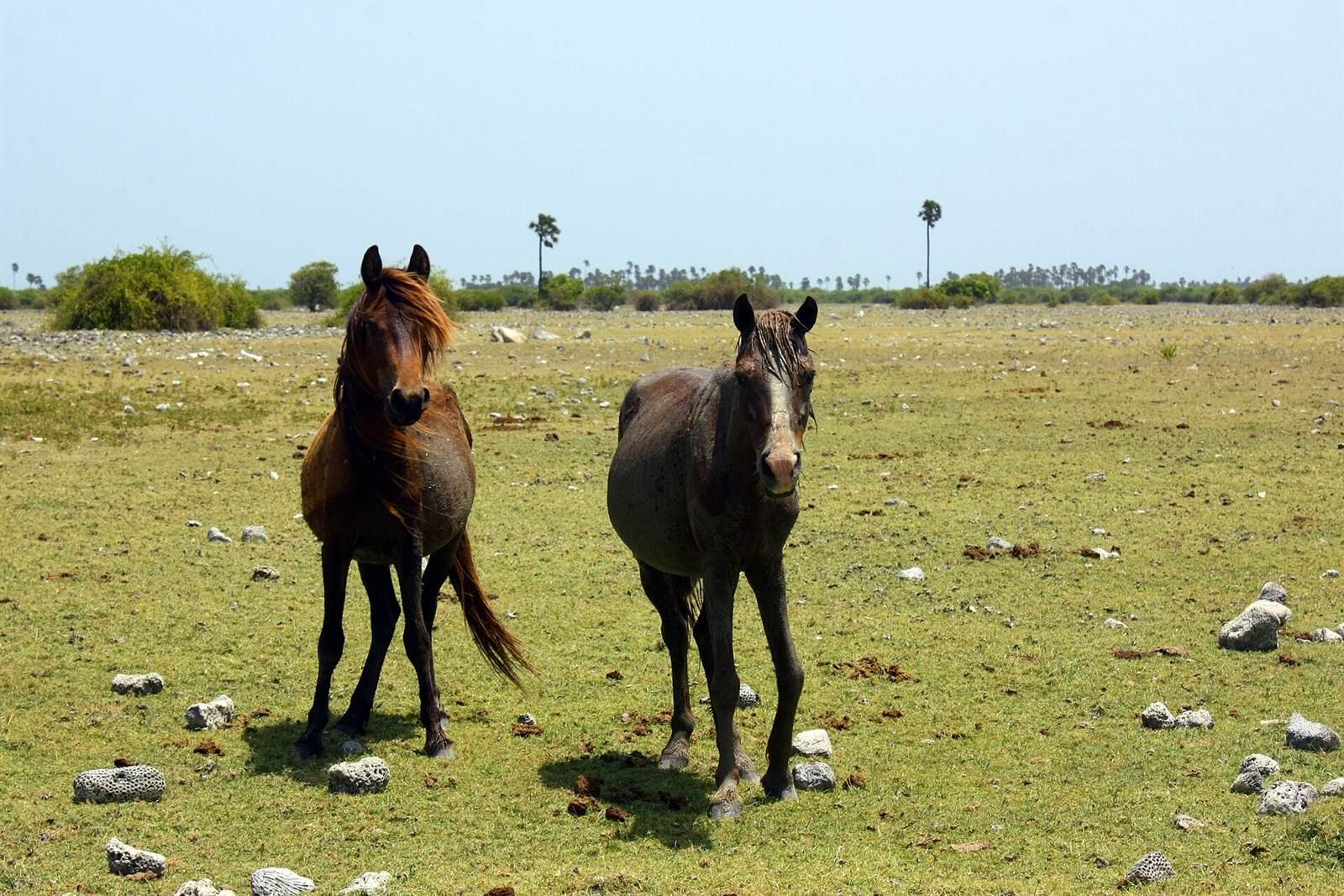
Delft Island, known locally as Neduntheevu, lies in the Palk Strait between Jaffna and India. It is flat, dry and sparsely populated, with a landscape of palmyra palms, scrub and coral-stone walls. The island is famous for its feral horses, believed to be descendants of animals brought by the Portuguese or Dutch, which roam freely among the villages.
It is one of the most remote places most travellers will reach in Sri Lanka, and getting there is half the experience. The other half is a landscape that feels closer to southern India than to the green south of the island.
The ferry crossing
The ferry leaves from Kurikadduwan jetty, south of Jaffna, and the crossing takes roughly an hour depending on the boat and the weather. There is usually a morning departure and an afternoon return, and the schedule is limited.
Confirm the return time when you buy your ticket, and arrive early. The crossing can be rough, so take motion-sickness precautions if you are prone, and there is little shelter on the boat.
Missing the last boat means an unplanned night with nowhere much to stay. Treat the timetable as the most important piece of information of the day.
- Morning departure, afternoon return — check the current schedule
- Buy a return ticket and confirm the time
- Take motion-sickness tablets before boarding
- Bring a hat and a waterproof layer
What to see on the island
A tuk-tuk or van can take you between the main sights: the old Dutch fort, the coral-stone pigeon house, the growing rock and the baobab tree. The island is small enough to see in a day, but the pace is slow and the heat is intense.
The Dutch fort is small and ruined, more a walled enclosure than a castle, but its history is interesting: it changed hands between colonial powers and later served as a government office. The pigeon house is a curious coral-stone tower built as a dovecote.
The baobab tree is said to be centuries old and was likely brought from Africa by traders. The 'growing rock' is a local curiosity, a stone that appears to rise from the ground — a phenomenon explained by erosion rather than the supernatural.
The horses
The feral horses are the island's symbol. They roam freely, often in small groups, and are accustomed to people but not tame.
Keep your distance, do not feed them and do not try to ride or corner them. They are working animals in a fragile environment, and the population is small.
If you are photographing them, use a long lens and avoid chasing a shot. A guide will know where they tend to graze.
Coral walls and island life
The island's coral walls are a reminder of its geological history: the stone was quarried from the reefs and used to build houses and boundary walls. Whole lanes are lined with it, which gives the villages a distinctive, bleached look.
The island is home to a small Tamil-speaking community, mostly fishing and palmyra-related work. Facilities are minimal: a few shops, no proper restaurants, and limited electricity.
Respect the local villages and ask before photographing people or animals. Bring cash, as there are no ATMs, and take your rubbish back with you.
When to go and how to plan
May to September is the driest and calmest season, though ferries can be cancelled at short notice in bad weather. Have a backup plan for the day if the crossing is called off.
The island is a full-day trip from Jaffna. Book through a local operator or your guesthouse, which usually includes the ferry ticket, a vehicle on the island and a guide.
It is not for everyone — the heat, the lack of facilities and the slow transport will frustrate some travellers. But for those who make the journey, the Northern Province's wild edge is unforgettable.
Frequently asked questions
- How do you get to Delft Island?
- By ferry from Kurikadduwan jetty, south of Jaffna. The crossing takes about an hour, and the schedule is limited, so confirm the return time when you buy your ticket.
- Can you see the wild horses on Delft Island?
- Yes, they roam freely and are often visible near the villages. Keep your distance, do not feed them and do not chase them for photographs.
- Is Delft Island worth visiting?
- If you have time in Jaffna and want somewhere genuinely remote, yes. It is a full day, the facilities are minimal and the heat is intense, but the landscape is unlike anywhere else on the island.
- What should I bring to Delft Island?
- Water, food, cash, sun protection and a hat. There are few shops and no ATMs, and the ferry can be delayed.
Written by
Sahan Kalpa DayarathnaSahan Kalpa Dayarathna is the editor of Discover Sri Lanka, based in Colombo. He writes the province guides, hotel picks and practical travel advice on this site, and updates them as transport, prices and opening times change.
Story filed 24 August 2026 about Delft Island. Explore more in Northern Province.
More traveller stories
3 August 2026
Jaffna Fort: A Walk Through the North's Colonial Ramparts
A star-shaped Dutch fort on the Jaffna lagoon — and a reminder of the peninsula's layered history.
10 August 2026
Nallur Kandaswamy Temple: Jaffna's Golden Kovil
The north's most important Hindu temple, with a towering gopuram and a calendar of festivals.